Previous Story
Ecuador and Peru: 25 years since the signing of peace and significant economic growth
Posted On 27 Oct 2023
To put an end to the differences that for decades distanced Ecuador and Peru, on October 26, 1998, peace was signed between the two countries through the Act of Brasilia. This represented a milestone in their bilateral relationship and, of course, an important opportunity for economic growth. The background of this pact was not only to establish border limits, but to achieve a new scenario of cooperation.
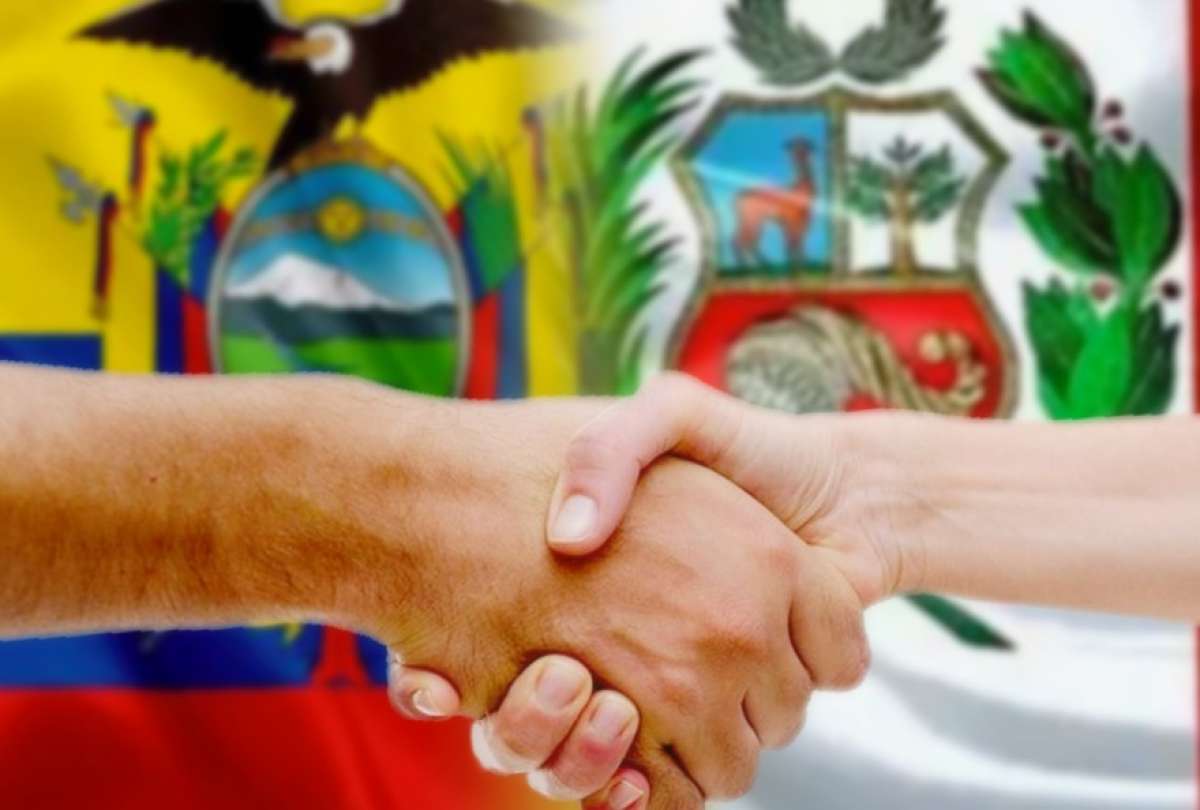
The signing of the peace took place 25 years ago.
25 years after that moment, EL TELÉGRAFO shows you the data on what has happened with the commercial exchange between both nations during the last 33 years.
According to the Ecuadorian – Peruvian Chamber of Commerce and Integration:
- Before the signing of peace, few products were marketed: fruits, cocoa, fat and oils, flour and skins.
- Since the signing of the peace, the binational trade exchange reached USD 38,917 million, 96% of the amount evaluated since 1990.
- The flow of trade between Ecuador and Peru multiplied up to ten times in the best year (1998 vs 2012) and up to seven times in the last year analyzed (1998 vs 2022).
Historically, the total trade balance between the two countries has favored Ecuador due to the great performance of oil exports.
According to data from the Central Bank of Ecuador, the total trade balance between the two countries was positive for Ecuador in almost all years of the period 1990-2022, specifically from 1990 to 2019.
However, since the COVID-19 pandemic, in 2020, the total trade balance for Ecuador experienced a sharp drop. The roles were reversed.
EXPORTS
Ecuador’s non-oil exports to Peru multiplied nine times in value (1998 vs 2022). They have had an increasing trend of 11.4% on average, after the signing of peace, since Ecuador went from exporting USD 61.7 million in 1999 to exporting USD 486.3 million in 2022.
After the signing of the peace, the number of Ecuadorian exporters to the Peruvian market increased by 125%, going from 315 in 1999 to 711 in 2022. This was a gradual and sustained increase over time, which had a peak in 2011 with 600 exporters.
Although, in 2022 it reached the highest record for the number of exporters recorded in the 33 years analyzed.
IMPORTS
Between 1990 and 2022, Ecuador’s total imports from Peru represented an average of 2.9% in relation to Ecuadorian imports from the world.
However, in 2010, 2011 and 2012, the highest participation values of imports from Peru were recorded , with 5.1%, 4.8% and 4.5% respectively, of the total merchandise that Ecuador purchased from the world.
Since the year after the signing of the peace, the number of importers increased by 1,555, which represented a growth of 171%, going from 909 in 1999 to 2,464 in 2022.
MAIN ECUADORIAN PRODUCTS EXPORTED TO PERU
Among those that are most repeated are:
- – Raw oil.
- – Metal manufactures.
- – Chemicals and pharmacists.
- – Leather and rubber manufactures.
- – Canned fish.
- – Paper and cardboard manufactures.
- – Cocoa.
- – Industrial machines and their parts (white goods).
- – Animal food.
MAIN IMPORTED PRODUCTS
These are the ones that are most repeated:
- – Prepared food for animals.
- – Copper and its manufactures.
- – Plastic and its manufactures.
- – Fuels and mineral oils.
Furthermore, according to the comparative report, Peru has inserted itself into the value chains of the Ecuadorian shrimp industry.
HISTORY
The signing of the Brasilia Act between Ecuador and Peru is undoubtedly the most important event in the history of Ecuador’s international relations in the 20th century.
This agreement put an end to decades of confrontations and tensions between the two countries and marked the beginning of a new era in their interaction and mutual perception; as well as in the assessment of their historical links and their connection in various orders.
By 2022, Peru was considered Ecuador’s sixth trading partner worldwide and, according to the Central Bank of Ecuador (BCE), Ecuadorian exports to Peru represented 2.9% of Ecuadorian sales to the world; while imports from this destination represented 3.7% of Ecuador’s total purchases in the world.