Previous Story
799 cases of hemophilia are recorded in Ecuador
Posted On 03 Jul 2018
Ecuadornews:
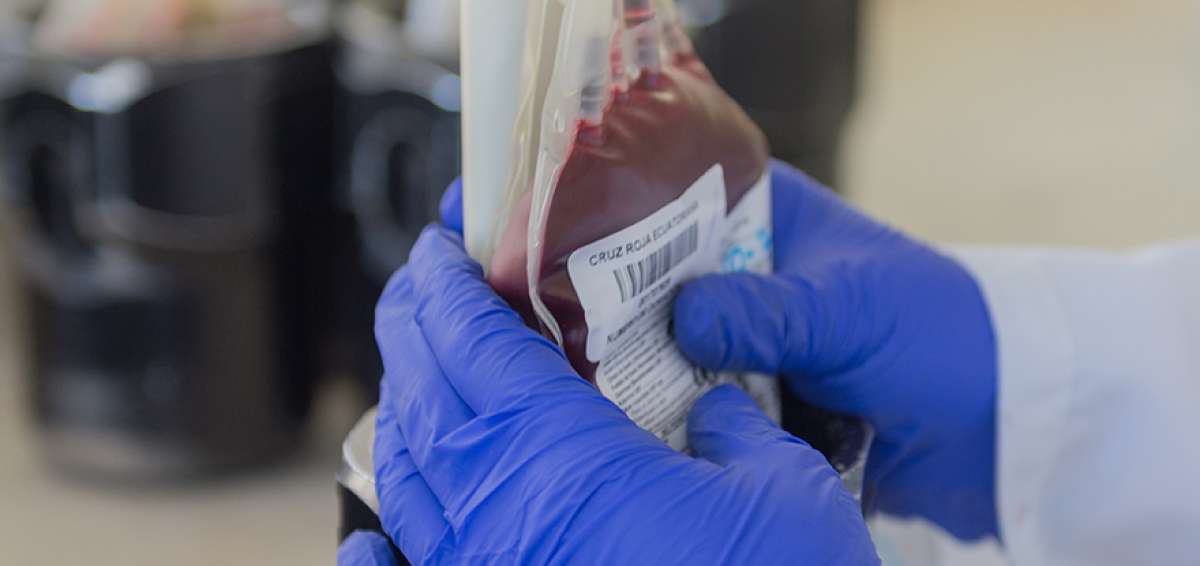
The foundation that groups those affected requested precautionary measures to stop the process of bidding for new medicines for this pathology. In the Ecuadorian Foundation for Hemophilia (Fundhec) there are 799 registered patients who suffer from this disease in the country.
In the world, the prevalence of pathology is 1 per 10,000 live births. Hemophilia is an alteration of blood coagulation. The chief of hematology at the Hospital Carlos Andrade Marín, Mauricio Heredia, explained that this problem is caused by the president of Fundhec, Xavier Cordova, who suffers from this disease that only affects men, in the country there is a disorder in coagulation blood There are 2 types: hemophilia A, which is the absence of factor VIII, and type B, caused by factor IX deficiency; the latter is less frequent and occurs in 1 per 30,000 live births.
The Ministry of Health (MSP) contemplates the medicines for this pathology within the basic table of medicines and according to Córdova this allowed the treatments to be with lyophilized coagulation factors. “It is a kind of pasteurization of liquid plasma, to transform it into powder and that allows a drug with double viral activation, to avoid problems of contagion of hepatitis or HIV as it was before.”
The medicines to treat this pathology in the country currently have the approval of the agencies that regulate medicines such as the European (EMA) and the American (FDA). These drugs represent an annual budget of $ 12 million to the MSP.
With this intervention, the level of inhibitors (antibodies or rejection) is maintained for drugs that prevent hemorrhages in 2% of the hemophiliac patients.
Disadvantages
In September 2017, the Ministry and the National Public Procurement Service (Sercop) initiated the bidding process for new medicines for coagulation disorders such as hemophilia and Von Willebrand.
The procedure, according to Córdova, did not include aspects such as the quality of medicines and the national supply. “The lack of traceability of the new molecule increases the risk in patients (…). We cannot exchange drugs between brands because more inhibitors can be developed and to treat them the costs would come out of the budget. ”
Given this, the Fundhec requested precautionary measures to stop the tender. Judge Ítalo Zambrano agreed and suspended the process. In this regard, the Ministry of Health reported that it created the technical sheets corresponding to Factor VIII from the concentration 250 IU to 1,500 IU, which are specific and differentiated, ie: Factor VIII (plasma origin) and / or Factor VIII (recombinant origin ).
The State Portfolio specified that “these differentiated cards will allow the Sercop to carry out procurement processes through the corporate reverse auction of medicines”. He also said that the formation of inhibitors in patients with hereditary coagulopathies is due to non-modifiable parameters (genetic factors) and modifiable (age of treatment initiation, intensive medication in the first exposure.)
The MSP gives attention to this pathology in 16 facilities of the country, at an average cost of $ 15,900 per patient per year The World Federation of Hemophilia in its treatment guide suggests that countries should encourage appropriate studies when there is a lack of adequate evidence for treatment. (I)
Source: https://www.eltelegrafo.com.ec/noticias/sociedad/6/hemofilia-casos-ecuador