Previous Story
“Guacho” threatened to put bombs in 4 cities
Posted On 19 Jul 2018
Ecuadornews:
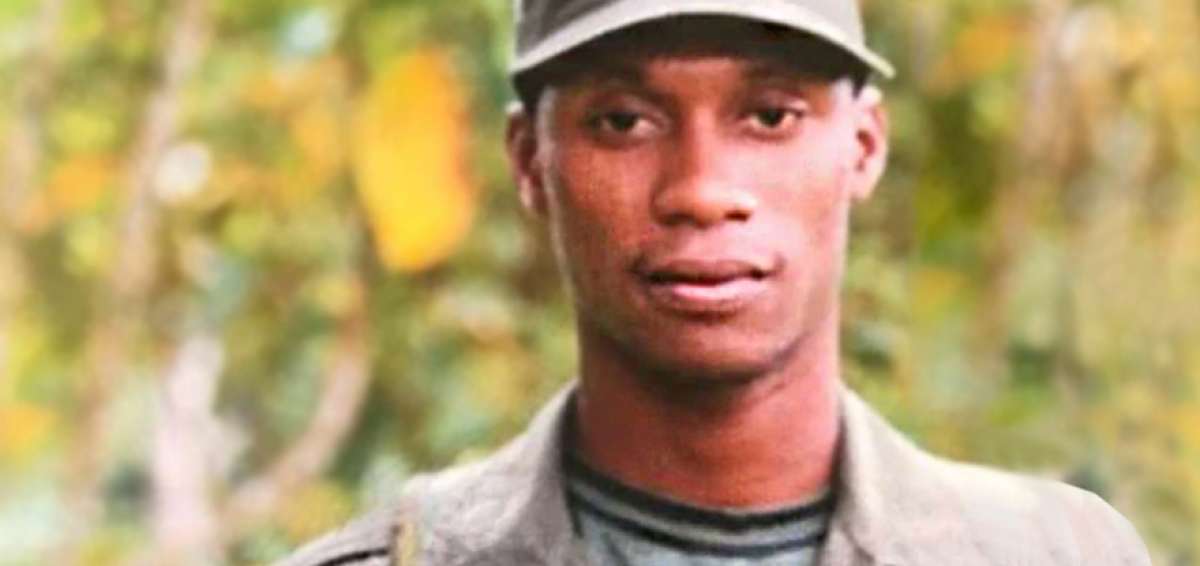
A mayor also spoke by telephone with the leader of the Oliver Sinisterra Front and with one of his delegates. In Colombia it is assured that the author of the kidnapping of journalists is in jail.
Walter Arizala, alias “Guacho”, accessed the phones of two police officers. He had no trouble getting the numbers of a colonel and also of an officer, with the rank of major, stationed in San Lorenzo. The oldest was the first to receive the chats and calls from the head of the Oliver Sinisterra Front.
In November of 2017 the uniformed participated in an operation to detain members of the narco-guerrilla. He recalled before the Prosecutor’s Office that a Navy captain asked him for support to participate in an operation in the Palma Real community, an island on the Mataje river, used by members of the front.
The sailor told him he was going to arrest “Guacho” security men. At that time the name of the leader of the narco-guerrilla was unknown to him, but not for units of military and police intelligence that followed his trail for attacks in Colombia, arms trafficking, drugs and chemical precursors. Finally, the operation failed. Two months passed until January 12, when the Naval Force officer arrived at the premises of the Police Command of San Lorenzo with three detainees and their request was that they be taken quickly to Esmeraldas.
They were “Guachos” men and among them was Patrocinio C., known as “Cuco”. According to the Office of the Prosecutor, he carried out the acts of violence and provided logistics to the Oliver Sinisterra Front in the parish of Mataje.
That capture marked the future of the major. The next day, on January 13, a message arrived via WhatsApp: “The tiger demands the immediate release of his men,” the threat said.
The chats continued until February 25 when he received the call of “Guacho”. This conversation was recorded and is part of the fiscal file that investigates the attacks, kidnappings and murders of the narco-guerrilla. The leader of the Oliver Sinisterra Front sends a direct threat to place bombs in Esmeraldas, Quito, Guayaquil and Latacunga, the latter where his accomplices were imprisoned.
Since then the word negotiation has been used to appease and gain time. But the strategy did not work and “Guacho” unleashed the spiral of violence that left nine dead. The major assured that he alerted his superiors. Even the colonel who later also talked to “Guacho”.
This was confirmed on two occasions in the Office of the Prosecutor and in the Border Security Commission of the Assembly. He believes that “Guacho” got his phone number because he complied with the order to place a sign in all the Community Police Units of San Lorenzo with the telephones of the officers who ran the Command.
For the security expert, Ricardo Camacho, all contacts of “Guacho” with Esmeraldas police should be investigated. He considers that it is fundamental to know the reasons that motivated him to use this strategy of contact with this group.
For him it must be clear if the Police Command and the Minister of the Interior at that time knew about those conversations and what was intended to be achieved.
Reaction of the victims
Along the same line goes Yadira Aguagallo, couple of the newspaper photographer El Comercio, Paúl Rivas, one of the victims of the Oliver Sinisterra Front. She says there are still questions that should be clarified in the investigation.
One of them is: if there was a Unified Command, did the Police report these calls and messages to the Armed Forces that were directing the operations? Another question is whether there were threats of kidnappings and bombs, why the control post was opened in Mataje and three civilians were allowed to pass, as were journalists from the newspaper El Comercio.
The relatives of the group of communicators hope that the answers will be obtained by the Inter-American Commission on Human Rights, which will carry out a detailed investigation in the national territory. The delegation was scheduled to come this week, but it was delayed. Now it is hoped that it will arrive at the end of July. The IACHR will work until next November, when it will give its report on the crime of journalists. (I)
Source: https://www.eltelegrafo.com.ec/noticias/judicial/12/guacho-chat-policia-ecuador-atentados