Previous Story
World Bank: Growth in Ecuador has been inclusive
Posted On 06 Oct 2014
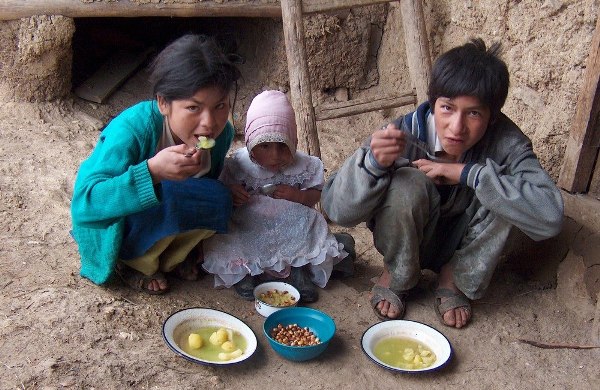
According to figures from the World Bank, Ecuador’s economic policies have promoted poverty reduction
According to a World Bank (WB) report, growth has been inclusive in Ecuador, with a direct effect on reducing the levels of poverty and inequality and the rise of the middle class. The WB noted that between 2006 and 2013, the poverty measured by incomes (using the national poverty line) fell from 37.6% to 25.5%, while the extreme fell from 16.9% to 8.6 %. Furthermore, “the reduction of inequality has been faster than the average for the region: the Gini coefficient fell from 54 to 48.5 between 2006 and 2013, while the middle class increased from 20% to 26% between 2006 and 2009.”
“This is because the growth benefited the poorest. Indeed, between 2000 and 2011 the most pronounced income growth occurred in the 2 poorest fifths. In fact, the income for the 40% of the poorest population grew by 8.8% compared with the 5.8% average for the country,” says the World Bank. The report adds that “despite these remarkable results, there are still major challenges to the sustainability of the achievements in reducing poverty and inequality, and to ensure that growth is sustainable and inclusive.”